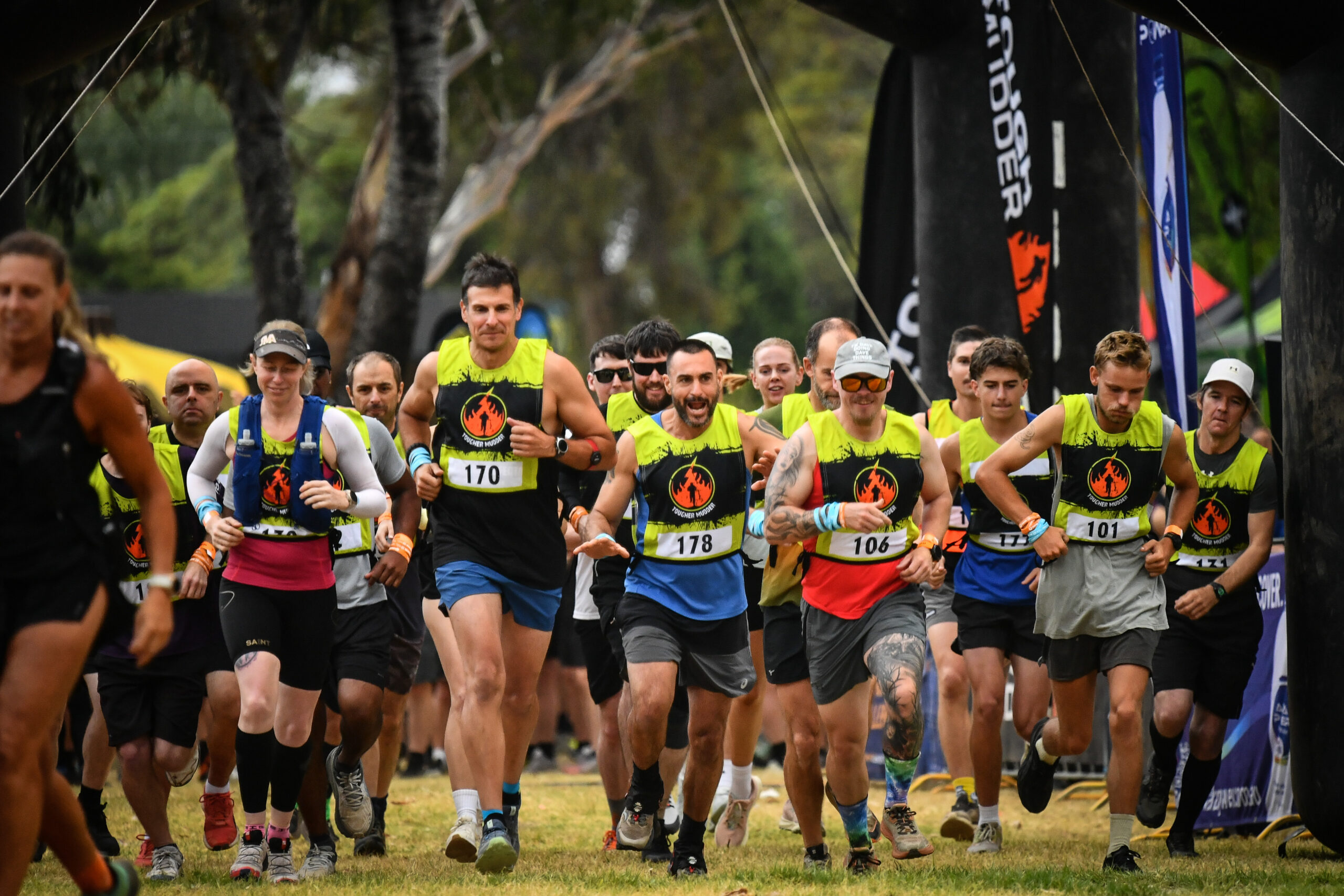
Skip to content
Ready to get muddy again? Tough Mudder returns to Caribbean Gardens in 2027 - Join the Fun
Form a Team for Tough Mudder and get great pricing, merch and more - Get Muddy with Mates
Tough Mudder Logo
Find An Event
  • Find An Event
  • What Is Tough Mudder
    • About Tough Mudder
    • Tough Mudder 15K
    • Tough Mudder 5K
    • Tough Mudder Infinity
    • Kids By Spartan
  • Obstacles
  • Forming a Team
  • Training
    • Start Training
    • Free Training Plans
  • FAQs
  • Get Involved
    • Partner With Us
    • Volunteer
    • Share Your Story
  • Blog
    • All Articles
    • Training
    • Nutrition
    • News
    • Live
    • Explore
  • Shop Gear
    • Shop All
    • Men’s
    • Women’s
    • Headwear
    • Accessories
    • Sale

Article Category: Featured

Featured

What Makes a Good Team Captain (On the Course and at Work)

Author: Tough Mudder Australia November 13, 2026
Share on Facebook Share on Twitter

Every crew has one. The person who made the group chat, booked the thing and now has to chase eleven people for their shirt size.

So what makes a good team captain? We’ve watched a lot of crews get over a lot of walls, and the same habits keep showing up. They work just as well at a Monday stand-up as they do in the mud. No research behind this, just what we’ve seen from the sidelines.

1. A good team captain moves at the slowest pace

On a Tough Mudder course, nobody gets timed and the crew moves together. A captain who sprints ahead has missed the point.

At work, it’s the same. If the project only moves as fast as your quickest person, you’ve got a relay, not a team. The best captains check who’s behind, and then they slow down.

2. They ask for help early

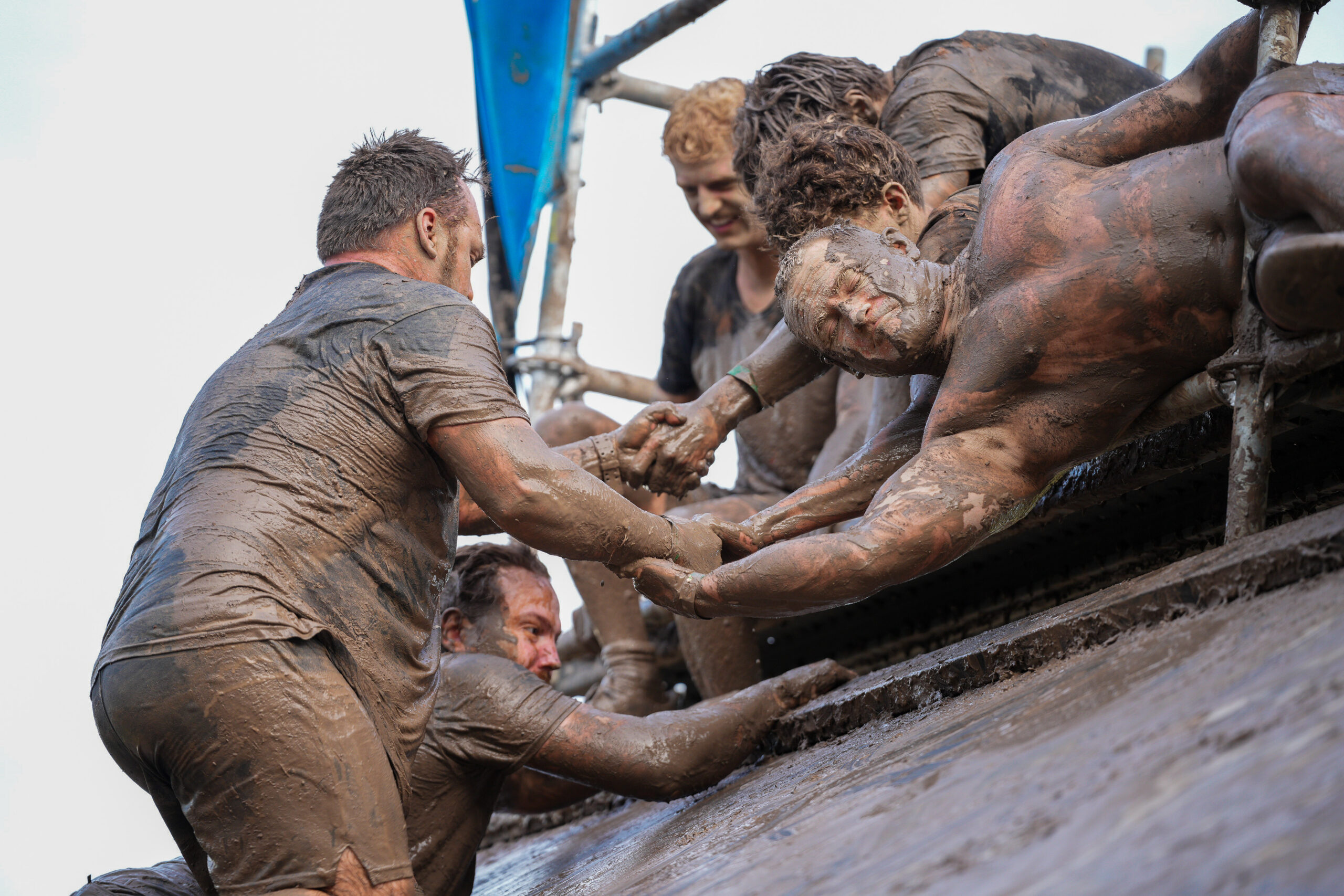
Here’s the odd thing about a muddy wall. Nobody clears some obstacles alone, so asking for a boost isn’t a weakness. It’s the plan.

The captains who do this well say it out loud. “I can’t get up this one, can someone give me a hand?” That makes it normal for everyone else, too. In an office, the same sentence can save a week.

3. They keep the plan boring

Nobody remembers a captain who sent a clear message with the time and the meeting spot. That’s the job. Boring logistics are what let everyone else have a ridiculous day.

So send one message. Put the details in it. Then answer the follow-up questions without sighing.

4. They give everyone a job

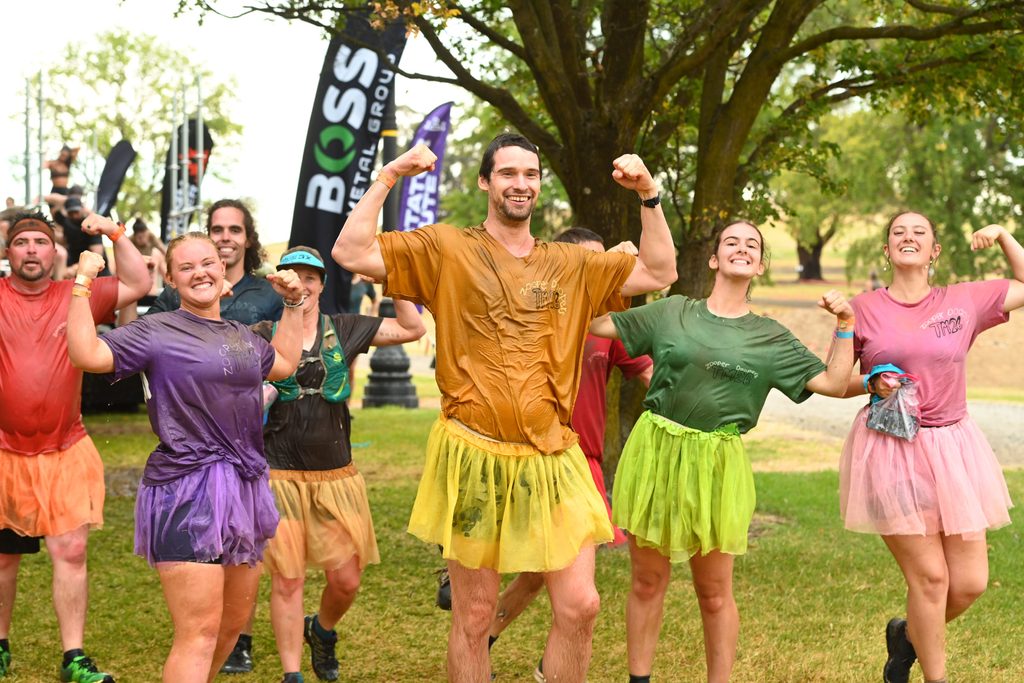
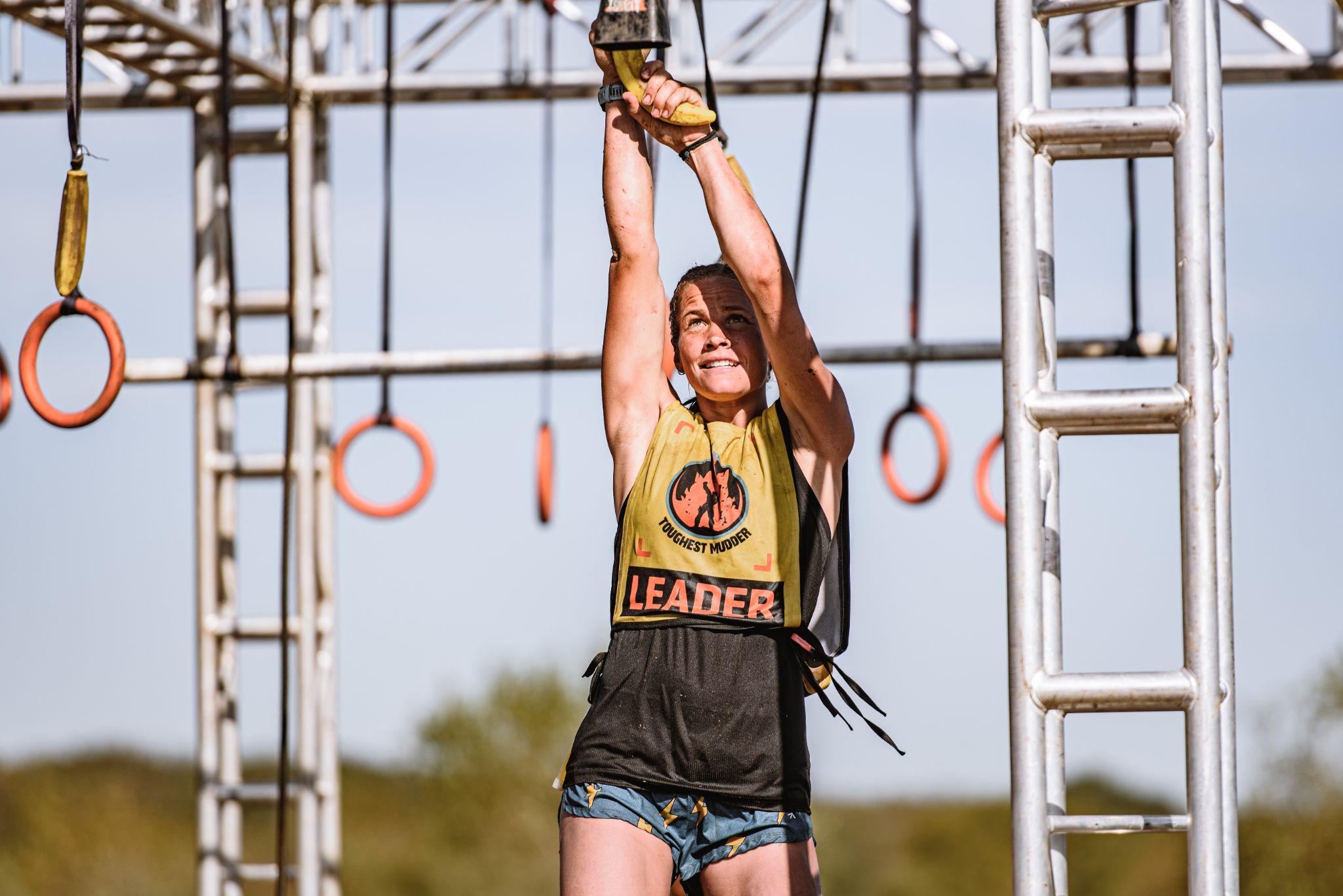
Your team already has a Leader, a Powerhouse, a Tactician, a Wildcard, a Rookie and a Recruiter. A good team captain notices which is which and uses them.

The Tactician plans the route. The Powerhouse gives the boosts. The Rookie gets cheered loudest. And the Wildcard? Let them hold the spare towels, and hope for the best.

5. They make it opt-in

Forced fun is just a meeting in a worse outfit. A captain who pressures people into it ends up with a crew that resents the mud.

Invite everyone, and then actually mean it when someone says no. People who choose to be there have a better day. So does everyone standing next to them.

6. They hand out the credit

When the crew crosses the finish line, the captain is usually the last one to take a bow. They point at the person who got everyone over the wall, or the one who kept the mood up when it got cold.

That habit travels well. A team that hears “that was you” after a tough project will probably say yes to the next one.

The short version

A good team captain isn’t the fittest or the loudest. They’re the one who goes at the crew’s pace, asks for help, keeps the plan simple and lets other people shine. That’s useful on the course, and it’s useful on Monday.

Ready to captain a crew?

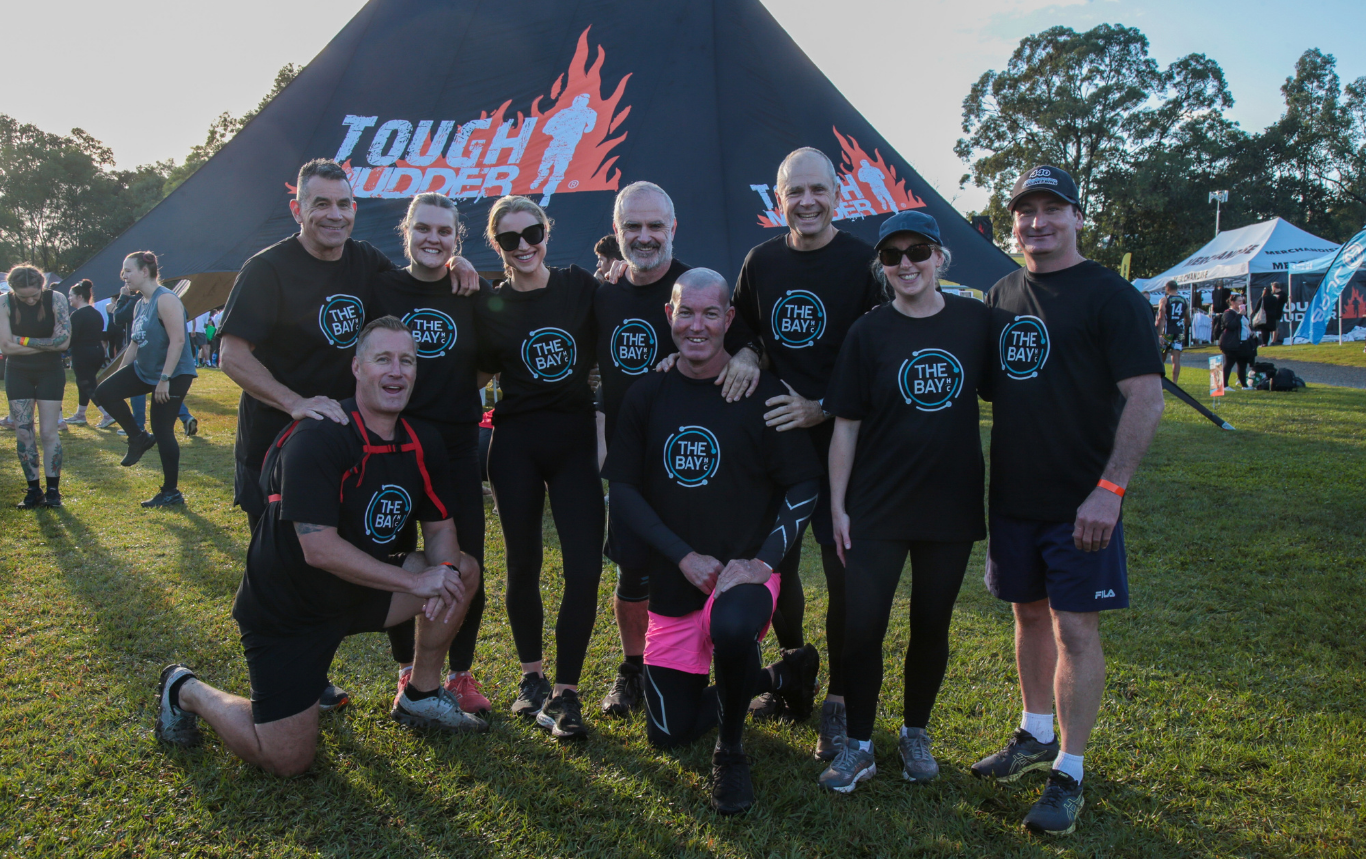
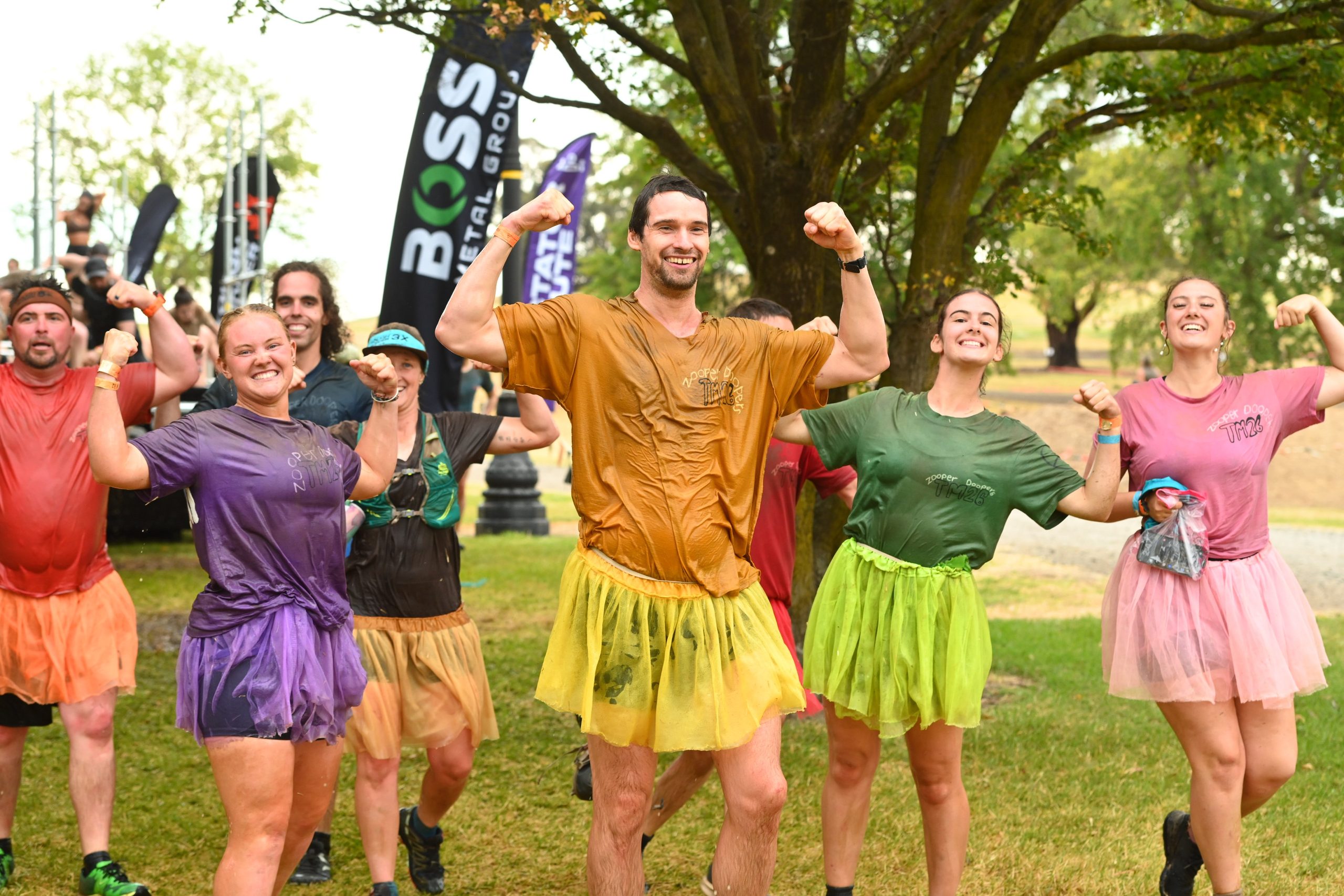
Tough Mudder Melbourne is on 13 February 2027 at Caribbean Gardens. Register as a tough mudder team and group rates apply, and they get better the bigger the crew. If you’re not sure how to start, here’s how to organise a workplace Tough Mudder team.
Featured

How to Organise a Workplace Tough Mudder Team

Author: Tough Mudder Australia November 4, 2026
Share on Facebook Share on Twitter

Somebody in your office is about to get the message “can someone organise this?” That somebody is you.

Good news: organising a workplace Tough Mudder team is easier than booking a restaurant for 14 people with four dietary requirements. Here’s the whole job in seven steps.

1. Pick a captain (it’s probably you)

Every workplace Tough Mudder team needs one person who holds the details. That person doesn’t need to be the fittest. They need to be the one who actually replies to messages.

If nobody’s put their hand up, look for the person who already runs the Friday drinks. They’ve done this before, just with fewer walls.

2. Float the idea before you pitch it

Don’t open with a calendar invite. Open with a question in the team chat. Something like “Anyone keen on a muddy team day in February?”

You’ll find out fast who’s in, who’s curious and who’s already typing “what’s the catch.” Then you know how big a crew you’re really building.

3. Make it opt-in

This one matters. Forced fun is just a meeting in a worse outfit.

Say clearly that nobody has to join, and nobody will be asked why not. People who choose it have a better day. People who were volunteered resent the mud.

4. Get the yes from upstairs

Most workplace teams need a manager’s approval, so make it easy to give. Keep the email short and cover three things:

  • What it is: an untimed, muddy obstacle course at Caribbean Gardens on Saturday 13 February 2027
  • Why it’s worth it: it’s a shared challenge, and everyone goes at the crew’s pace, whatever their fitness level
  • What you need: the number of places and a decision date

Mention that group rates apply, and they get better the bigger the crew. Check the current rate on the event page before you quote anything. If you’d like a head start, the muddy offsite blog is easy to forward.

5. Build a crew with a mix of people

Don’t recruit only the keen runners. The best crews are the ones nobody could have guessed.

Your team likely has all six Tough Mudder archetypes already. There’s a Leader, a Powerhouse, a Tactician, a Wildcard, a Rookie and a Recruiter. Yes, the Tactician is the person who sent an agenda for the social drinks.

Nobody gets timed, and the crew moves together. So mixed fitness isn’t a problem here. It’s basically the format.

6. Register as a team

Once you’ve got numbers, register as a team so everyone’s under the same team and will have the same starting waves. Group rates apply, and they get better the bigger the crew.

A few things worth sorting before you click:

  • Confirm who is in, because it’s easier to add people than to chase refunds
  • Decide whether the company is covering entry, or whether people pay their own way
  • Put a deadline in the chat, so “I’ll let you know” turns into a yes or a no

We’ve got a surprise for you. Send us an email teams@toughmudder.com.au for exclusive offers!

7. Sort the small stuff

The week before is mostly logistics. Send one message with the meeting spot and time, a lift-share list and a reminder to wear clothes and shoes they don’t mind ruining. Then add someone to carry the spare towels.

Plan a post-event meal too. A team that’s just been through mud tends to talk more over lunch than any icebreaker ever got out of them.

What happens on the Monday after

We won’t promise a productivity boost, because we don’t have a spreadsheet to back that up. But there’s a decent chance of this: a story at the coffee machine that has nothing to do with deadlines, and a few colleagues who now say hello in the corridor.

Ready to start your Tough Mudder Team?

Tough Mudder Melbourne is on 13 February 2027 at Caribbean Gardens. Pick a captain, send the message and let the group rate help you out.

Register as a Team.

Featured

Why Professionals Are Drawn to Hard Things: Part Two

Author: Tough Mudder Australia October 21, 2026
Share on Facebook Share on Twitter

Ask a busy manager why they signed up for a muddy obstacle course and you’ll get a shrug and a laugh. But the bigger question of why professionals are drawn to hard things deserves more than a shrug.

In part one, we looked at what the course gives people that the job doesn’t. This time we’re looking at the bits around the edges: the build-up, the day itself and the Monday after. Same disclaimer as before. We build mud pits, we’re not psychologists, and this is an informed observation, not a diagnosis.

Before the start line: why a date beats a goal

Most people have a vague plan to get fitter. Vague plans lose to inboxes every single time. A booked event is different, because it comes with a date, and a date turns a wish into a project.

Professionals already know how to run projects. So they scope it, block out the training sessions and tell the team they’re offline on Saturday mornings. Our guess is that this is why professionals are drawn to hard things with a date on them. The challenge arrives with a deadline attached, and that’s a language they already speak.

Why professionals are drawn to hard things they can’t do alone

Here’s where the course gets sneaky. At work, asking for help can feel like admitting something. Out on a muddy wall, it’s just the plan.

Nobody clears some obstacles alone, so crews swap roles on the fly. The person who runs the Monday meeting can end up needing a boost, and the person they usually manage might be the one giving it.

Then there’s the crew itself. Every team has a Leader, a Powerhouse, a Tactician, a Wildcard, a Rookie and a Recruiter, whether they know it or not. The course makes those roles visible, and sometimes it reshuffles them. It’s a fairly low-stakes way to find out who your team is when things get awkward.

The finish line is only half the achievement

Achievement at work is often hard to point at. A great quarter is a graph, and a well-run project is a quiet inbox. On the other hand, a Tough Mudder finish is a headband, a photo and a story you can show someone.

That’s another reason professionals are drawn to hard things like this one. The result is something you can hold, and people collect that sort of thing on purpose.

The Monday after

We can’t promise anyone walks into work a changed person. But we’d guess that finishing something hard makes the next hard thing at work feel a bit more ordinary. A tough meeting is still a tough meeting, though it’s no longer a wall.

Meanwhile, there’s a story at the coffee machine that has nothing to do with targets. Plus, a team that has seen each other covered in mud will probably find the next feedback chat slightly less formal. That may be why professionals are drawn to hard things at all: the payoff outlasts the weekend.

Why professionals are drawn to hard things: what we can and can’t say

Here’s the honest version. We don’t have survey data on this, and we’re not claiming any. There’s published research on physical activity and workplace wellbeing, such as this systematic review of healthcare workers, but it covers a different group, so we’re not leaning on it.

What we have is a theory that fits what we see on start lines. Take it or leave it. Still, if it sounds like your team, you know what to do next.

Bring the team

Tough Mudder Victoria is on 13 February 2027 at Caribbean Gardens. Register as a crew and group rates apply, and they get better the bigger you go.

Register Your Crew.

Featured

The 2027 Tough Mudder Medals: Every Hex, Coin and Buckle Explained

Author: Tough Mudder Australia October 13, 2026
Share on Facebook Share on Twitter

The orange headband is still the main event. You cross the line, you get the band, and you wear it to the pub like an idiot with a trophy. The medal was never meant to replace that.

But the medal is what lasts. It ends up on a hook by the front door, or hanging off the rear-view mirror of a car that smells faintly of Arctic Enema. That’s why the Tough Mudder 2027 medals deserve a proper look, so here’s everything in one place.

Four years of medals, quickly

Year one gave us obstacle medals, each tied to a moment that makes a Mudder event what it is. In year two they interlocked, so the medals connected up to tell a bigger story. Then year three brought in the hex, a collectable piece that clips into the middle of your medal and gives you a reason to come back all season. Year four builds on all of that, and the Tough Mudder 2027 medals are the biggest step yet.

The medal itself

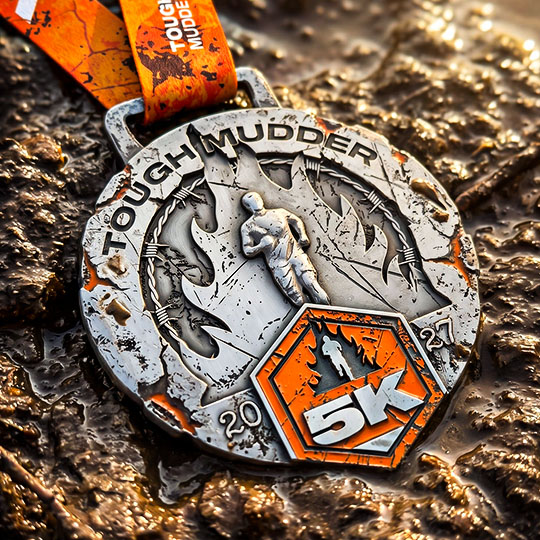
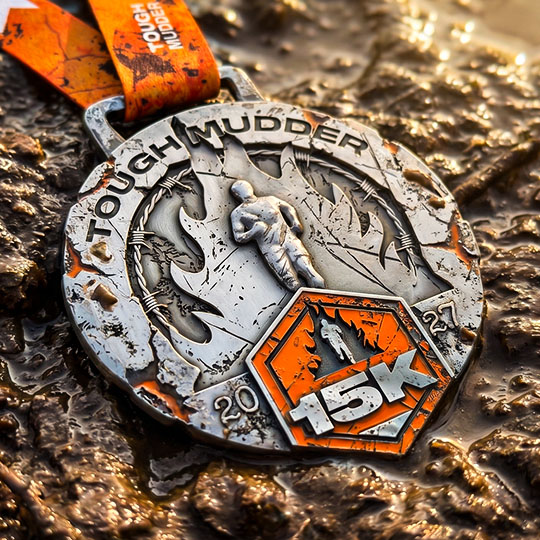
The medal is cast in silver with a rough-edged finish. The running man sits front and centre with flames swirling around him, and the hex sits at the bottom.

Turn it over and there’s room on the back for an engraving, or for a Muddertab if you want to buy one. The loop that clips it to the lanyard also doubles as a bottle opener, which comes in handy once you’ve crossed the finish line.

The hexes and the Trifecta

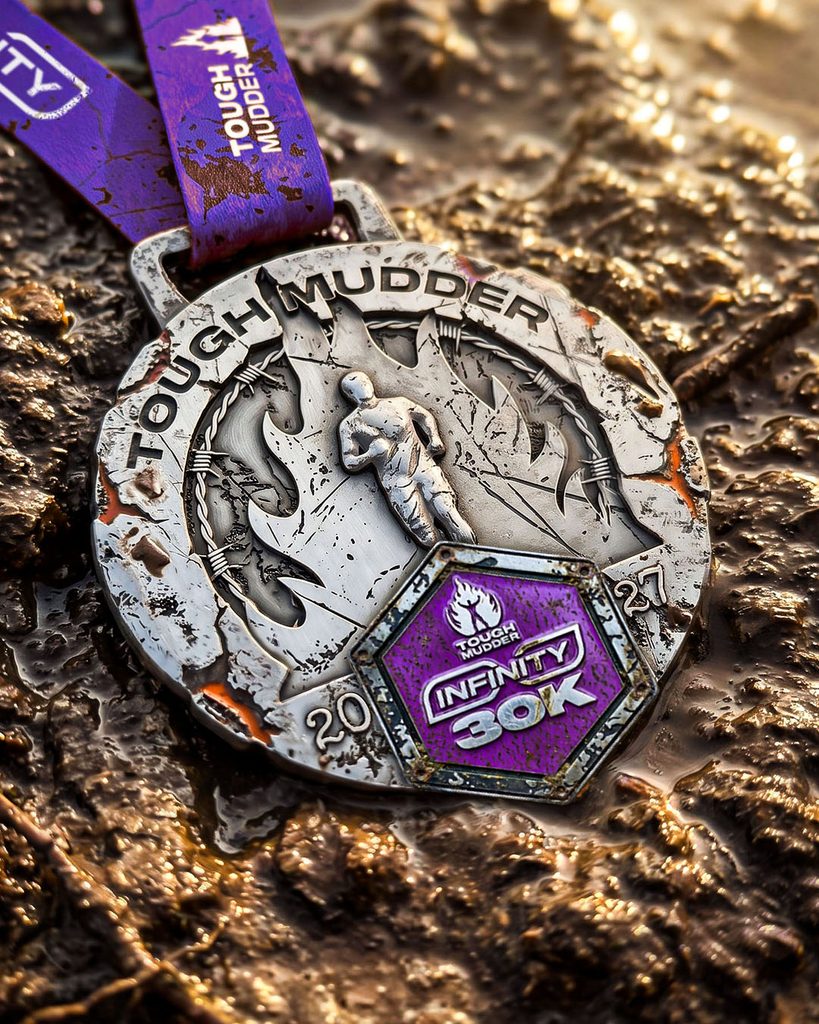
The whole collection is built around the hexes. There are three, one for each distance: 5K, 15K and Infinity.

Finish all three in the same season at qualifying events, wherever you are in the world, and the hexes snap together into the Trifecta medal. Nobody hands it to you. Instead, you build it out of what you’ve already finished.

The Trifecta is now in its second year, so there are more coins to stack and more milestones to chase.

What is Infinity?

Infinity is Tough Mudder’s endurance format, and it’s the odd one out of the three distances. Instead of one lap and done, it’s a timed, multi-lap day.

You start with a 15K lap. After that, it’s your call: head back out for another 15K, drop down to a 5K lap, or stop there. Your laps are chip-timed, so the distance adds up on its own. There’s also a pit stop between laps for food, water and a change of gear. Because the clock runs until the course closes, how far you get depends on what you’ve got left in the tank and how well you pace it.

Those kilometres count towards the Buckle, which is why people keep coming back for more. You can read more about the format on the Tough Mudder Infinity page.

The Multi-Trifecta coins

Finish a second Trifecta and you earn the next coin in the series, a single hex stamped with your multiplier. They run from X2 up to X10, for now, and each one sits inside your Trifecta medal. Over time it turns into a little record of how many times you came back.

Tough Mudder Trifecta medal made of the 5K, 15K and Infinity hexes snapped together

The Infinity Buckle

At 50K of total Infinity distance, you earn the Infinity Buckle. It’s a big diamond of silver with purple detailing, and a hexagonal 50K coin set into it. Purple, if you know the brand colours, is Infinity’s.

It’s the toughest piece in the whole set to get your hands on, and it’s the most distinctive too. If you’re counting your Infinity distance across seasons, 50K is the number to remember.

Where to start

With a date and a crew. Tough Mudder Victoria is on 13 February 2027 at Caribbean Gardens. Check the event page to see which distances are running, then get your people together and register as a crew. Group rates apply, and they get better the bigger you go.

Featured

Why Professionals Push Themselves to Do Hard Things

Author: Tough Mudder Australia September 30, 2026
Share on Facebook Share on Twitter
Professional in muddy work gear climbing over a Tough Mudder obstacle

A field report, not a diagnosis, on why professionals push themselves to do genuinely unpleasant things on a Saturday.

We don’t have a psych degree between us. What we have is fifteen years of watching who actually shows up to get muddy, and a growing suspicion that the person with the most Slack notifications is disproportionately likely to be first over the wall. Research on workplace stress backs up part of the instinct — physical challenge does measurable work that sitting at a desk doesn’t. The rest is just what we’ve clocked on our own start lines.

Here’s what we’ve noticed about why professionals push themselves this way.

1. The inbox has no finish line. The course does. Work problems don’t resolve — they mutate. You close one ticket, three more spawn. A Tough Mudder course, by contrast, is rudely finite: X obstacles, one distance, a clock that stops. For someone who hasn’t experienced “done” since Q2, that’s not torture. That’s the appeal.

2. Training is the rare thing that pays out exactly as advertised. Put in the reps, get the result — no politics, no “per my last email,” no waiting on someone else’s sign-off. You show up stronger because you did the work, and the obstacle tells you immediately whether it was enough. Try getting that kind of direct feedback out of a performance review cycle.

3. Getting muddy is a socially acceptable way to feel something. A lot of professional life runs on composure. Calm voice, neutral face, “happy to jump on a call.” There’s a specific relief in a situation where flinching, swearing, and looking genuinely afraid of a wall are not just allowed but the whole point.

4. Nobody outranks you at Arctic Enema. The ice water doesn’t check your job title before it takes your breath away. For people who spend their week inside a hierarchy, an event that flattens everyone to “person currently regretting their choices” is doing more work than it looks like.

5. It’s a legitimate reason to be unreachable. Try explaining to your manager that you need Saturday off to “sit with your thoughts.” Now try “I’m doing an obstacle course with my team.” One of these gets approved without a follow-up question.

Why Professionals Push Themselves Anyway

We’re not saying your CFO is having a crisis. We’re saying: contained, visible, fair difficulty is oddly satisfying to people who spend 40+ hours a week managing difficulty that is none of those things. It’s a small, repeatable answer to why professionals push themselves toward something objectively worse than a Saturday sleep-in — and most of them would do it again next year.

Bring Your Most Stressed Colleague

If this sounds like your team, register as a crew for Tough Mudder Victoria — February 13, 2027, Caribbean Gardens — and group rates kick in the bigger you go.

#ToughMudder #MudderNation #ToughMudderVictoria

Featured

Why Shared Challenges Build Strong Communities

Author: Tough Mudder Australia September 23, 2026
Share on Facebook Share on Twitter

What Happens When People Struggle Together

There’s an old idea that shows up in different forms across cultures — that water carries a kind of memory, holding a trace of everything it’s passed through before it reaches you. We can’t speak to whether that’s true of water. But we’ve spent over a decade watching what happens on our courses, and we’re fairly convinced mud remembers something too.

Not literally, obviously. Mud is mud. But the pit at the bottom of Everest has held the hand-prints, the near-misses, and the “I’ve got you” moments of thousands of people who came before you — and there’s something in that. You’re not the first person to go down face-first there. You won’t be the last. Somehow, knowing that makes the moment feel less like failure and more like initiation.

Why Shared Struggle Builds Something Individual Effort Doesn’t

Plenty of things build fitness. Not many things build community. The difference usually comes down to one thing: whether the hard part happened to you alone, or happened with someone.

Struggle Is a Faster Bonding Agent Than Comfort

You can spend a year being friendly with a coworker over coffee and know less about them than you’d learn from ten minutes stuck together on an obstacle, both of you covered in the same mud, both trying to figure out how the other person gets out first. Shared hardship compresses trust. It’s not comfortable, and that’s exactly why it works.

Nobody Remembers the Easy Parts

Ask anyone who’s finished a Tough Mudder event what they remember, and it’s never the flat stretch between obstacles. It’s the wall they couldn’t get over alone. The stranger who laced their fingers together to give someone a boost. The moment the whole group stopped to wait for the last person up the hill. Difficulty is what makes a memory stick — and shared difficulty is what makes it a memory that includes other people.

Community Isn’t Built by Being Around Each Other. It’s Built by Needing Each Other.

Proximity isn’t the same as connection. You can stand next to a hundred people at a gym and leave knowing none of them. But an obstacle that’s physically impossible to clear alone forces an actual interaction — a hand extended, a boost given, a “you good?” that gets an honest answer. That’s not an accident of course design. That’s the entire design.

The Mud Doesn’t Discriminate, and Neither Does the Bond

Whatever divided people before they hit the start line — job title, fitness level, how long they’ve known each other — tends to dissolve somewhere around the second obstacle. Everyone’s equally muddy. Everyone’s equally in it. That flattening effect is part of why crews that meet as strangers often leave as something closer to family.

What This Means for the Communities We Build

No Mudder Left Behind isn’t just a line on a t-shirt. It’s the reason strangers become training partners, training partners become crews, and crews come back year after year — not for the course, but for each other. The obstacles are just the excuse. The community is the actual result.

Crew Up

If you’ve got a group who’s been meaning to do something hard together, this is the nudge. Bring your Leader, your Rookie, your Wildcard — whoever needs a reason to show up.

Register Your Crew for Tough Mudder Victoria, February 13, 2027, at Caribbean Gardens, Melbourne.

Featured

Why the Boardroom Shows Up for the Mud Pit

Author: Tough Mudder Australia September 17, 2026
Share on Facebook Share on Twitter

An Observation, Not a Diagnosis

Look at the start line of any Tough Mudder event and you’ll spot them fairly quickly — the crew that arrived with a spreadsheet-level training plan, colour-coded, three months out. The manager who’s treating Monday’s obstacle recon like a project timeline. The exec who hasn’t taken a “day off” in the traditional sense in years, but somehow calls waist-deep mud and a 10K course a good way to spend a Saturday.

We’re not psychologists, and we’re not about to diagnose anyone’s motivations. But we’ve run enough of these events to have a working theory — call it an informed observation rather than a clinical one — about why working professionals keep showing up for something that, on paper, sounds like the opposite of a relaxing weekend.

The Theory

Challenge That’s Actually Contained

Most professional challenge is open-ended. The inbox refills. The project scope shifts. The goalposts move because someone above you moved them. A Tough Mudder course is the rare kind of hard thing with an actual edge to it — a start, a finish, a fixed set of obstacles you either get over or you don’t. For people who spend their week managing ambiguity, there’s something genuinely appealing about a difficulty that’s finite and known in advance.

Preparation Pays Off in a Way You Can Feel

Professionals are usually good at preparing for things — that’s a lot of what the job is. But in a lot of workplaces, preparation and outcome don’t always line up in a way you can point to. Training for an obstacle course is different. You put in the sessions, you show up stronger, and the course tells you immediately whether it worked. Cause and effect, visible in real time — which is rarer in a career than most people would like to admit.

Progress You Can Actually See

A lot of professional “wins” are abstract — a good quarter, a strong review, a deal that closed. Valuable, but hard to feel in your body. Getting over Everest on your third attempt when you couldn’t on your first is a different kind of progress. It’s physical, it’s immediate, and nobody can quietly take credit for it in a meeting.

Achievement Without the Usual Politics

The course doesn’t care about your title. It doesn’t care who you report to. Whether you’re leading a team of 40 or you’re two years into your first job, the wall is the same height for everyone, and the mud doesn’t discriminate. For people used to achievement being filtered through hierarchy, that flatness is part of the appeal.

What We’re Not Saying

We’re not saying every executive on a Mudder course is working through something. We’re not saying this is stress relief, therapy, or a substitute for anything. We’re saying: hard things that are contained, visible, and fair seem to appeal to people who spend their weeks managing things that are none of those. Draw your own conclusions — we’re just the ones building the walls.

Crew Up

If your team’s been circling the idea of doing this together — the group chat’s floated it, someone’s sent the link twice — this is your nudge. Tough Mudder Victoria is on February 13, 2027, at Caribbean Gardens, Melbourne.

Register Your Crew

Featured

Check In. Show Up. Don’t Wait For the Wall.

Author: Tough Mudder Australia September 10, 2026
Share on Facebook Share on Twitter

R u okay day — September 10

There’s a specific kind of quiet that happens when someone’s struggling and hasn’t said anything yet. No dramatic moment. No warning sign with flashing lights. Just someone going quiet, pulling back, showing up less — and everyone around them assuming someone else has already checked in.

We’re not going to pretend an obstacle course race is the answer to that. It’s not. But we’ve spent over a decade building events specifically designed around the idea that people do better carrying weight together than carrying it alone — and today’s the day worth saying that out loud.

Why We’re Talking About This

This isn’t our usual lane. We’re not counsellors, we’re not clinicians, we build mud pits and monkey bars for a living. But every event we run is engineered on one belief: isolation makes hard things harder, and company makes them survivable. That’s the whole idea behind No Mudder Left Behind. It’s not a tagline. It’s structural — you cannot get over some walls without someone else’s hands.

So today, we’re pointing that same belief somewhere more important than a Saturday morning course.

A Number Worth Sitting With

Did you know that at major marathons, approximately  90-95% of the people who start actually finish? It’s tempting to read that as pure individual grit. But a big part of that number comes down to something less about the person and more about the field around them: everyone out there is going through the same hardship, at the same time, in the same place — and that changes what’s survivable for someone on their worst mile. Shared hardship carries easier than solo hardship. That’s the whole logic behind checking in on someone before they’re at the wall alone.

What We’ve Noticed

  • “You good?” means something different out there. Nobody asks it to be polite. People actually wait for the answer.
  • Struggling is visible, and nobody looks away from it. There’s no hiding a bad day on an obstacle course — and there’s no need to hide a bad year either.
  • Reaching a crisis point rarely looks like a single moment. It’s usually smaller and quieter — someone going dark on the group chat, skipping training, giving vague answers. Reaching out to that person before they ask for help is the whole point of checking in.

If You’re Not Doing Okay Right Now

If today’s hard — if you’re reaching a point where things feel unbearable — please talk to someone before anything else. Lifeline (13 11 14) and Beyond Blue (1300 22 4636) are there right now, no appointment needed, no judgement. You don’t need to have the right words either. You just need to start talking.

If You’re Checking on Someone Else

You don’t need to fix anything. You don’t need the perfect message. You need to actually ask, and then actually listen to the answer — even if it’s not “fine.”

  • Text the person who’s gone quiet.
  • Ask twice if the first answer feels rehearsed.
  • Sit with someone rather than trying to talk them out of how they feel.
  • Know the numbers above, and don’t be afraid to say them out loud to someone who needs them.

Crew Up

No discount this month, no sale, nothing to buy. Just a call to check in on someone in your crew — actual crew, not the marketing kind — and mean it when you ask.

If you’re looking for a reason to get outside with them afterward, Tough Mudder Victoria is on February 13, 2027 at Caribbean Gardens. But today isn’t about registering. Today’s about the phone call.

Check On Your Crew.

If this brought anything up for you, Lifeline (13 11 14) and Beyond Blue (1300 22 4636) are available 24/7 in Australia.

Explore

Hydration: The Pre-Mud Ritual You’re Probably Underestimating

Author: Alka Power June 17, 2025
Share on Facebook Share on Twitter

You can tell a lot about a Mudder by how they prep.

Some roll up still smelling like last night’s kebab. Others have spreadsheets, spreadsheets for their spreadsheets, and three different types of socks. But no matter where you fall on the chaos-to-control spectrum, there’s one thing every seasoned Mudder knows: hydration can make or break your day in the mud.

This isn’t your average Sunday jog. This is high-output, high-sweat, borderline ridiculous punishment — and your body needs the right fuel to survive it (and still be able to walk the next day).

So before you throw yourself into the madness, let’s talk about the quiet MVP of your prep: water. Specifically, the kind that does more than just exist.

You’ve got your gear sorted. Training? Tick. Mental toughness? Let’s call it… pending. But if you’re not thinking about hydration in the lead-up to Tough Mudder, you’re basically showing up to a gunfight with a pool noodle.

Look, this course is no walk in the park. You’re going to sweat. You’re going to cramp. You might even question your life choices somewhere between Arctic Enema and Electroshock Therapy. The last thing you want is your body tapping out because you didn’t take water seriously.

So here’s the truth bomb: hydration isn’t just about drinking water on race day. It’s about prepping your body before you even hit the starting line. Hydrated muscles perform better, recover faster, and cramp less. Your brain functions sharper. Your endurance holds up. And yep — it even helps reduce that post-Mudder hobble we all know and dread.

But not all water’s created equal. Some of it just passes through like a polite tourist. Others — like Alka Power — know how to put in the work.

Bottled at the source in the pristine Southern Highlands of NSW, Alka Power is Australia’s favourite alkaline water, loaded with naturally bioavailable marine trace minerals. It’s got a pH of 9–10, which means it helps neutralise acid build-up from high-intensity training. It hydrates at a cellular level — the kind that keeps cramps at bay, supports recovery, and helps your body handle the punishment you’re about to put it through. That’s why Alka Power has been Australia’s number one alkaline water brand since 2015.

And in big news for thirsty legends: Alka Power now comes in a 10-litre bag-in-box format. That’s hydration in bulk — perfect for stocking your fridge, team tent, or car boot so you’re never scrambling for a bottle last minute. Less plastic, more performance. We love to see it.

So here’s your prep checklist:
✔ Eat carbs
✔ Taper like a pro
✔ Visualise the finish line
✔ Hydrate like it actually matters

Because it’s not just mud you’ll be dragging yourself through — it’s fatigue, lactic acid, and mental walls too. Give your body every edge.

Hydrate. Dominate. Then rinse off and brag for weeks.

Alka Power is available nationally at major and independent retailers. Make the change.

Featured

A hilarious guide to surviving Tough Mudder madness with Flip Insurance

Author: Tough Mudder Australia September 27, 2023
Share on Facebook Share on Twitter

Hey there, thrill-seekers! Are you ready to get down and dirty in the muddiest, most gruelling obstacle course known to humanity? Welcome to the Tough Mudder experience, where participants willingly subject themselves to an array of hilarious yet treacherous obstacles that are sure to test not only your physical strength but also your mental fortitude – and your sanity!

Reading on, you’ll see why we’ve partnered with Flip Insurance to ensure all our participants are automatically covered for eligible accidental injuries on event day so you can give each obstacle your all, injury be damned!

Flip Insurance will be joining you out on the course in 2025 as our accidental injury insurance partner and its cover will be included for every Mudder taking part at no extra cost. To register your cover and know where to claim, download the Flip Insurance mobile app and enter your Event Code.

So, why do we think our Mudders having insurance is so important?

Take the Arctic Enema for example… imagine jumping into a giant ice bath, but instead of refreshing your body, it’s more like the equivalent of diving headfirst into a freezing river in the North Pole. You’ll gasp, you’ll shiver, and you’ll definitely reconsider your life choices. It takes a lot of confidence to make that leap, so maybe the knowledge of having Flip Insurance will give you that little bit of extra boost you need.

Then you’ve got Electroshock Therapy. Just the sounds of it might make you think you’ve stumbled into a wacky science experiment gone wrong. You’ll be dodging wires while getting zapped like a living light bulb, but knowing you have cover from Flip can make you feel all that more invincible, tackling everything the course throws your way.

A crowd-favourite obstacle is Everest. It’s not just a mountain; it’s a slippery, muddy, and borderline impossible wall to scale without help. One wrong move, and you’ll be rolling back down like a human mud snowball. We want you to unleash your inner daredevil, fearlessly take on the challenges and revel in the laughter and camaraderie with your fellow mudders – which you can do with peace of mind!

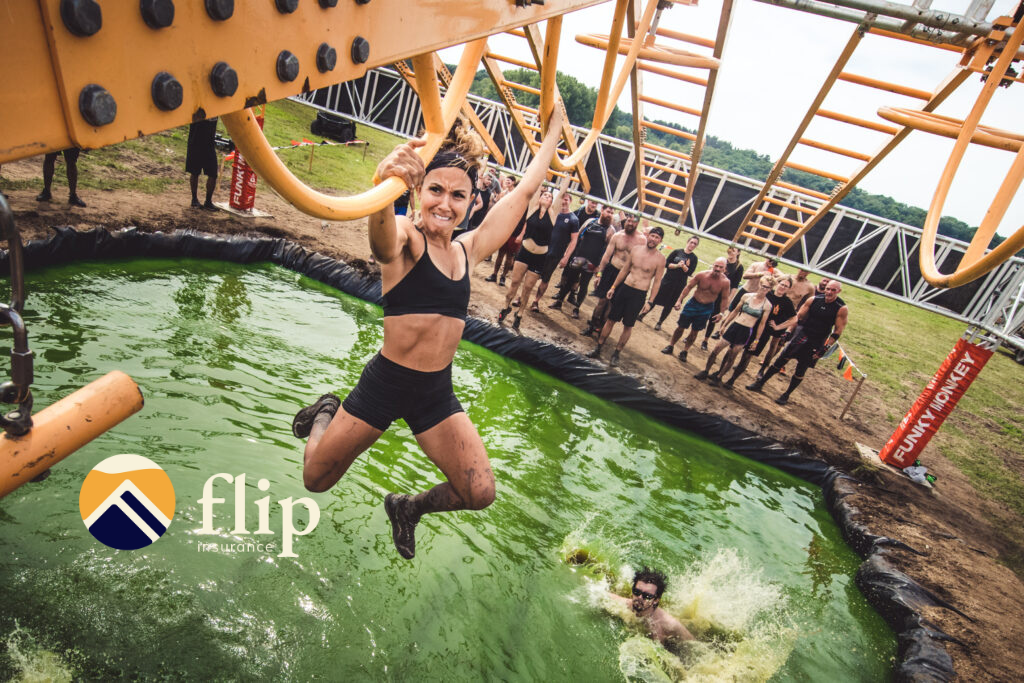
We’re sure you’ve all heard of the Funky Monkey, an obstacle Tarzan would be proud of – monkey bars greased with mud and water. Anything could happen, a slip, a fall, a broken bone. Don’t be surprised if you end up resembling a muddy circus clown by the end of it all!

If you’ve been acquainted with our Block Ness Monster before, you’ll have a good idea of the struggle you’re in for. This obstacle is the water park ride from hell. You’ll try to get over rotating, slippery barriers while other contestants push and pull to create chaotic fun. You might find yourself being propelled through the air like a mud-filled ragdoll.

Trust us, this event is best experienced with insurance – and a good sense of humour. Flip Insurance is included in your entry price, and we encourage you to find out more about it so you can make a claim if you need to. It’s like having a safety net for those moments when you slip, slide, and somersault your way to victory – or just endure a muddy face plant.

Flip Insurance

Posts navigation

Older posts

Search

Recent Comments

    Archives

    Categories

    • No categories

    Meta

    • Log in
    • Entries feed
    • Comments feed
    • WordPress.org

    Our Partners

    JOIN THE TOUGH MUDDER CREW

      This site is protected by reCAPTCHA and the Google Privacy Policy and Terms of Service apply.

      By signing up you consent to the terms detailed here and agree to receive personalised commercial communications from Tough Mudder by email.

      • Help
        • What is Tough Mudder?
        • FAQs
        • Contact
      • Corporate
        • AU – Privacy Policy
        • Press
        • Licensing Opportunities
        • Partner With Us
      • Social Links
      Select Region
      • Australia
      • United Kingdom
      • US & Canada

          Left Arrow Created with Sketch.
          Right Arrow Created with Sketch.