Ask a busy manager why they signed up for a muddy obstacle course and you’ll get a shrug and a laugh. But the bigger question of why professionals are drawn to hard things deserves more than a shrug.
In part one, we looked at what the course gives people that the job doesn’t. This time we’re looking at the bits around the edges: the build-up, the day itself and the Monday after. Same disclaimer as before. We build mud pits, we’re not psychologists, and this is an informed observation, not a diagnosis.
Before the start line: why a date beats a goal
Most people have a vague plan to get fitter. Vague plans lose to inboxes every single time. A booked event is different, because it comes with a date, and a date turns a wish into a project.
Professionals already know how to run projects. So they scope it, block out the training sessions and tell the team they’re offline on Saturday mornings. Our guess is that this is why professionals are drawn to hard things with a date on them. The challenge arrives with a deadline attached, and that’s a language they already speak.

Why professionals are drawn to hard things they can’t do alone
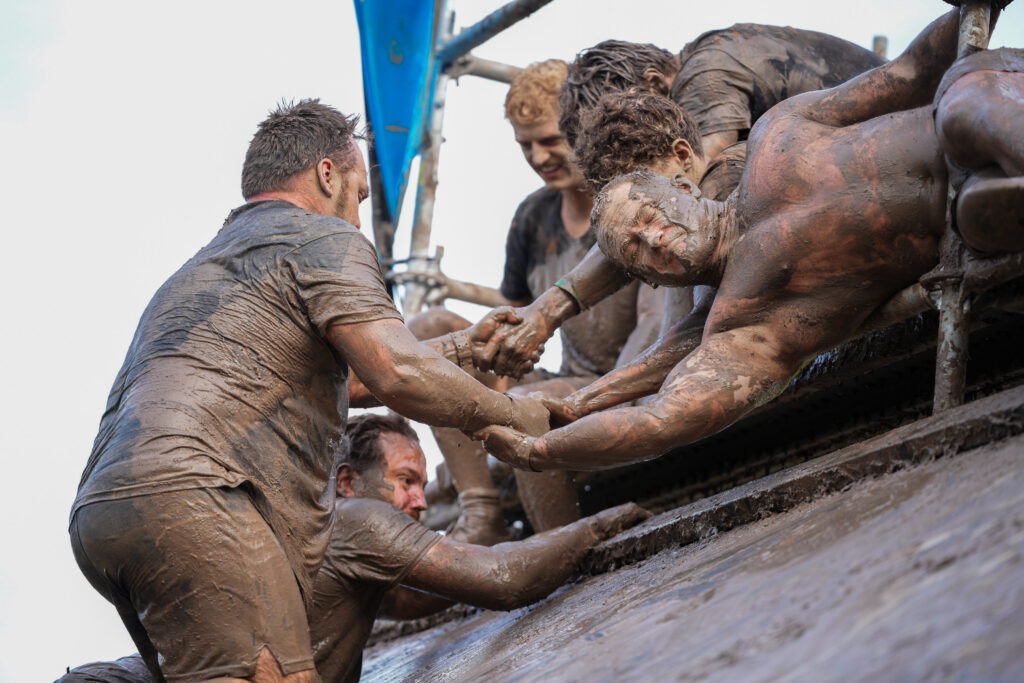
Here’s where the course gets sneaky. At work, asking for help can feel like admitting something. Out on a muddy wall, it’s just the plan.
Nobody clears some obstacles alone, so crews swap roles on the fly. The person who runs the Monday meeting can end up needing a boost, and the person they usually manage might be the one giving it.
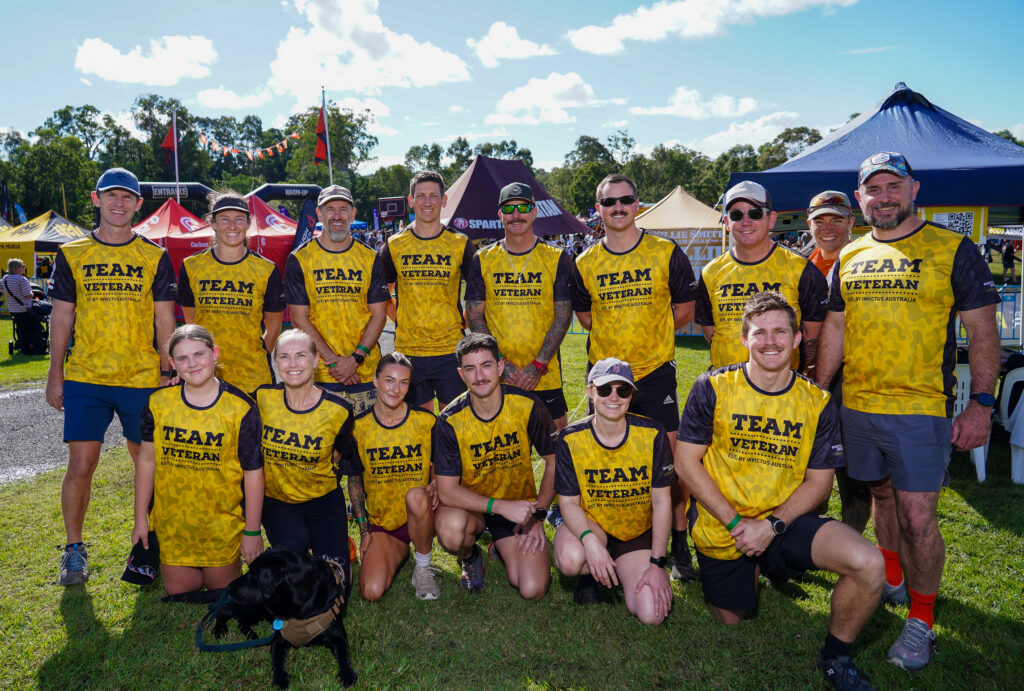
Then there’s the crew itself. Every team has a Leader, a Powerhouse, a Tactician, a Wildcard, a Rookie and a Recruiter, whether they know it or not. The course makes those roles visible, and sometimes it reshuffles them. It’s a fairly low-stakes way to find out who your team is when things get awkward.
The finish line is only half the achievement
Achievement at work is often hard to point at. A great quarter is a graph, and a well-run project is a quiet inbox. On the other hand, a Tough Mudder finish is a headband, a photo and a story you can show someone.
That’s another reason professionals are drawn to hard things like this one. The result is something you can hold, and people collect that sort of thing on purpose.
The Monday after
We can’t promise anyone walks into work a changed person. But we’d guess that finishing something hard makes the next hard thing at work feel a bit more ordinary. A tough meeting is still a tough meeting, though it’s no longer a wall.
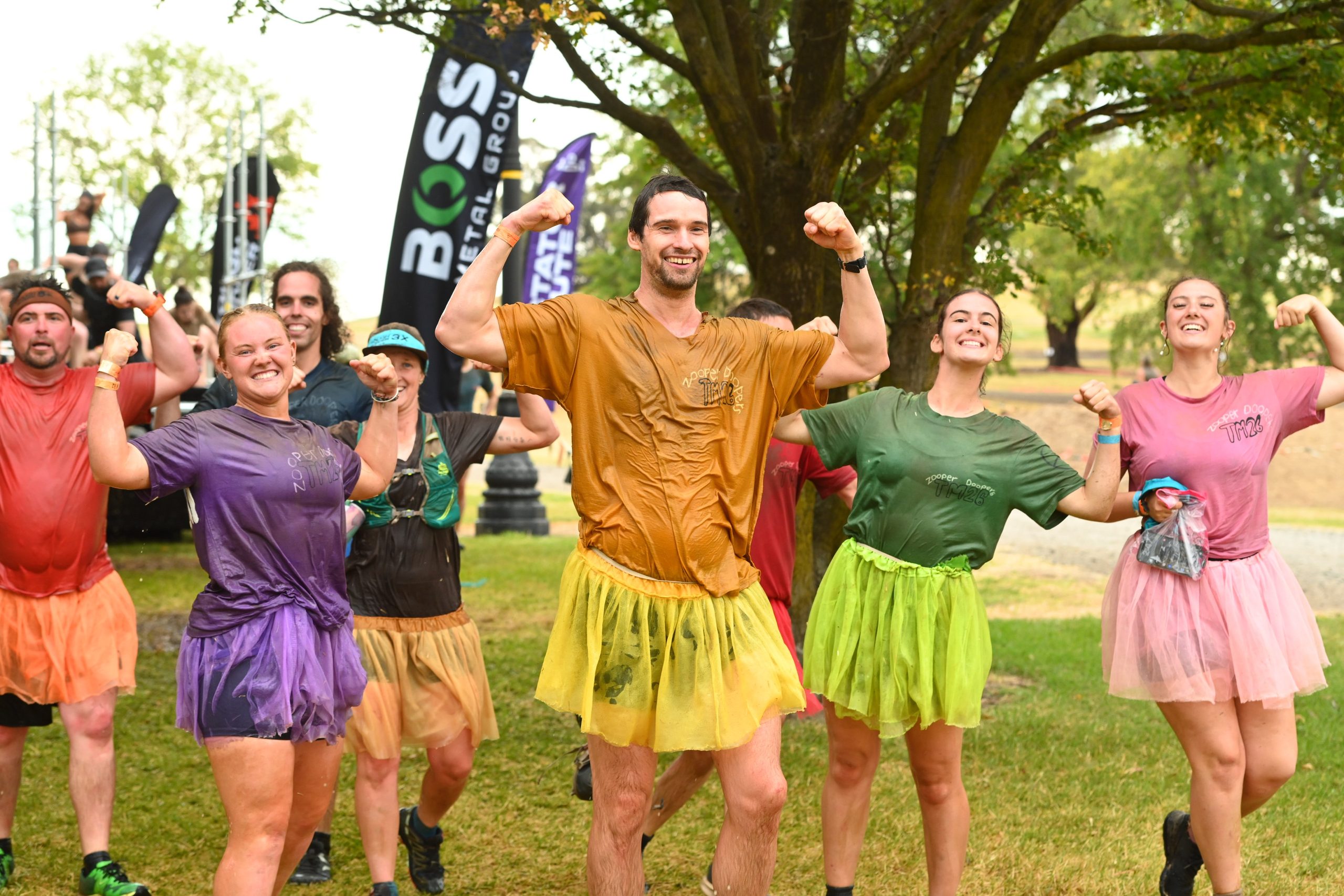
Meanwhile, there’s a story at the coffee machine that has nothing to do with targets. Plus, a team that has seen each other covered in mud will probably find the next feedback chat slightly less formal. That may be why professionals are drawn to hard things at all: the payoff outlasts the weekend.
Why professionals are drawn to hard things: what we can and can’t say
Here’s the honest version. We don’t have survey data on this, and we’re not claiming any. There’s published research on physical activity and workplace wellbeing, such as this systematic review of healthcare workers, but it covers a different group, so we’re not leaning on it.
What we have is a theory that fits what we see on start lines. Take it or leave it. Still, if it sounds like your team, you know what to do next.
Bring the team
Tough Mudder Victoria is on 13 February 2027 at Caribbean Gardens. Register as a crew and group rates apply, and they get better the bigger you go.
Register Your Crew.